“coffee washing station” search results (500)

Chimere Manor, Lutesilo production area, Western Province of Rwanda
Rwandans have been growing coffee since colonial times, but until 1999, its products were still classified as below Class C and were not popular in the global market. The reason for the poor quality is that farmers do not have a fixed procedure for washing coffee beans and do not process coffee fruits according to specifications in time. Buyers buy coffee beans at $0.33 per kilogram, and farmers keep warm by the meagre profits earned at low prices.
2016-06-16 Rwanda Western Province Texi producing areas Mayer Manor colonization
Rwandan coffee production process Rwandan coffee history
The first problem for Malaba coffee farmers is to set up a cleaning station. The coffee fruit must be transported to the cleaning station to wash the sugar under the skin of the coffee bean within 12 hours after picking, otherwise the flavor of the coffee will be greatly damaged. In July 2001, with UNR, the Ministry of Culture and Industry of Rwanda (Office des Cultures Industrielles du Rwanda,OCIR-Caf), ACD
2016-05-27 Rwanda coffee production process history Malaba Rabbah farmers first and foremost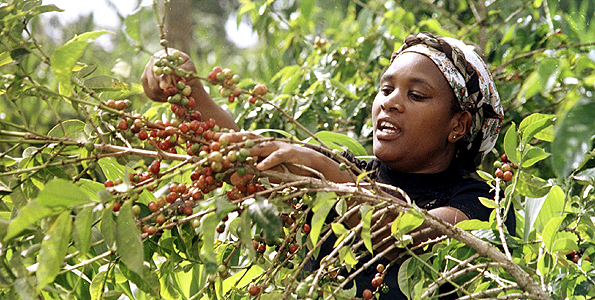
African Coffee Manor Musiui treatment Plant in the western province of Rwanda washing and treating bourbon boutique black coffee
Like many African countries, Rwandan coffee is mainly produced by small farmers, and the ripe cherry fruits are collected and sent to the processing station every year during the harvest period. During the annual harvest period, the ripe coffee berries picked by farmers are concentrated in the treatment station for treatment, first selected by hand to ensure that no immature or damaged fruit is mixed in. Then remove the peel in a cool, cold ring
2016-03-28 Africa Coffee Manor Rwanda Western Province Muxiu treatment Plant washing treatment
Introduction to the flavor and taste characteristics of Malaba coffee in southern Rwanda
Rwandans have been growing coffee since colonial times, but until 1999, its products were still classified as below Class C and were not popular in the global market. The reason for the poor quality is that farmers do not have a fixed procedure for washing coffee beans and do not process coffee fruits according to specifications in time. Buyers buy coffee beans at $0.33 per kilogram, and farmers keep warm by the meagre profits earned at low prices.
2016-07-01 Rwanda South Malaba Raba Coffee Flavor Taste characteristics introduction essence
Qianjie Cafe Rwanda Water Chinunu treatment Plant washed bourbon coffee beans
Details of coffee beans: country: Lake Kiev, Rwanda: Rutsiro, Kinunu treatment: washing grade: AA variety: bourbon species altitude: 1600 m roasting degree: moderate roasting plant: Chinunu treatment plant (Kinunu) [factory introduction] Rwandan coffee is mainly produced by small farmers, as in many African countries, and the coffee cherry is ripe during the annual harvest period.
2015-02-13 Front Street Cafe Rwanda Shuiqi Nunu processing Plant Water washing bourbon Coffee beans
Introduction to the characteristics of Rwandan Coffee beans in Rwanda Coffee Flavor Manor area
The first problem for Malaba coffee farmers is to set up a cleaning station. The coffee fruit must be transported to the cleaning station to wash the sugar under the skin of the coffee bean within 12 hours after picking, otherwise the flavor of the coffee will be greatly damaged. In July 2001, with UNR, the Ministry of Culture and Industry of Rwanda (Office des Cultures Industrielles du Rwanda,OCIR-Caf), ACD
2016-07-26 Rwanda coffee flavor taste manor producing area introduction coffee beans characteristics horse
Introduction to the characteristics of the Fine Coffee Flavor Manor in Kenya the Central Dashan area of Nyeri
Kenya has two coffee cherry production seasons a year. The main season is from October to December and the secondary season is from April to June. As a loyal fan of Kenyan coffee, we sugar bean boutique coffee certainly will not miss this delicious coffee. At the end of August, we arrived a new batch of new Kenyan beans in this season, from the Kenyan Gatuya washing station. The washing station was established in 1962 and currently cooperates with about 1.
2016-08-10 Kenya boutique coffee flavor taste manor producing area characteristics introduction Ny
Rwanda Coffee Flavor
Rwandans have been growing coffee since colonial times, but until 1999, its products were still classified as below Class C and were not popular in the global market. The reason for the poor quality is that farmers do not have a fixed procedure for washing coffee beans and do not process coffee fruits according to specifications in time. Buyers buy coffee beans at $0.33 per kilogram, and farmers keep warm by the meagre profits earned at low prices.
2016-08-30 Rwanda coffee flavor characteristics people since colonization times from open
Rwanda Coffee Malaba Coffee Flavor introduction to the characteristics of Rwandan Coffee in Chilmel Manor
The first problem for Malaba coffee farmers is to set up a cleaning station. The coffee fruit must be transported to the cleaning station to wash the sugar under the skin of the coffee bean within 12 hours after picking, otherwise the flavor of the coffee will be greatly damaged. In July 2001, with UNR, the Ministry of Culture and Industry of Rwanda (Office des Cultures Industrielles du Rwanda,OCIR-Caf), ACD
2016-07-30 Rwanda Coffee Malaba Rabbah Flavor Taste introduction Mayer Manor Special
Fine coffee Rwanda coffee treatment method washing, elevated scaffolding sun drying
Rwandans have been growing coffee since colonial times, but until 1999, its products were still classified as below Class C and were not popular in the global market. The reason for the poor quality is that farmers do not have a fixed procedure for washing coffee beans and do not process coffee fruits according to specifications in time. Buyers buy coffee beans at $0.33 per kilogram, and farmers keep warm by the meagre profits earned at low prices.
2016-05-15 Boutique coffee Rwanda flavor washing viaduct scaffolding sun drying Luwang
Kenyan Jinchu Coffee Flavor Kenya Jinchu Coffee characteristics Kenyan Jinchu Coffee taste
Enbu processing Plant (Embu Washing Station), which comes from Gichugu, adopts Kenyan double washing method and grows in Manyata-Enbu County on the eastern slope of the Kenyan Mountains from 1550 to 1750. The variety is Kenya's classic SL28,SL34, coupled with the large temperature difference between day and night in the deceived area, and the red phosphoric acid soil in Kenya, which makes the sour and sweet become the second order of this Kenyan branch.
2016-08-29 Kenya Jinchu coffee flavor characteristics taste from Gichu
The Historical Origin of Rwandan Coffee
Historical editors originate that Rwandans have been growing coffee since colonial times, but until 1999, its products were still classified as below Class C and were not popular in the global market. The reason for the poor quality is that farmers do not have a fixed procedure for washing coffee beans and do not process coffee fruits according to specifications in time. Buyers buy coffee beans at $0.33 per kilogram, which farmers earn at low prices.
2016-06-01 Rwanda Coffee History Origin Editor Human self colonization
History of coffee in Rwanda
The Rwandans of origin have been growing coffee since colonial times, but until 1999, its products were still classified as below Class C and were not popular in the global market. The reason for the poor quality is that farmers do not have a fixed procedure for washing coffee beans and do not process coffee fruits according to specifications in time. Buyers buy coffee beans at $0.33 per kilogram, and farmers rely on the meagre profits earned at low prices.
2016-05-31 Rwanda Coffee History Origin Human colonization Times from Open
Introduction of Rwanda Coffee Variety-Malaba Coffee beans
Rwandans have been growing coffee since colonial times, but until 1999, its products were still classified as below Class C and were not popular in the global market. The reason for the poor quality is that farmers do not have a fixed procedure for washing coffee beans and do not process coffee fruits according to specifications in time. Buyers buy coffee beans at $0.33 per kilogram, and farmers keep warm by the meagre profits earned at low prices.
2016-06-16 Rwanda Coffee Variety Malaba Rabbah Coffee beans introduction Renzi
Rwanda Coffee Flavor Manor with extreme Taste characteristics
The first problem for Malaba coffee farmers is to set up a cleaning station. The coffee fruit must be transported to the cleaning station to wash the sugar under the skin of the coffee bean within 12 hours after picking, otherwise the flavor of the coffee will be greatly damaged. In July 2001, with UNR, the Ministry of Culture and Industry of Rwanda (Office des Cultures Industrielles du Rwanda,OCIR-Caf), ACD
2016-08-03 With extreme taste sex Rwanda coffee flavor manor producing area
Fruit acid red wine Kenya Jinchu Valley Coffee Variety characteristics Taste Manor Boutique Coffee Bean Flavor Introduction
Embu Washing Station from Gichugu region, Kenyan double washing method, growing in Manyata-Embu County on the eastern slope of Kenya Mountains from 1550 to 1750, varieties are Kenya classic SL28, SL34, plus the large temperature difference between day and night, and Kenya's red phosphoric acid soil, making this Kenya's second sour and sweet
2016-09-02 fruit acid red wine kenya gin coffee variety characteristics taste manor boutique
Sugarcane Juice Red Wine Fruit Acid, Kenya Kam Early Valley Coffee Flavor, Characteristics, Taste and Estate Introduction
Embu Washing Station from Gichugu region, Kenyan double washing method, growing in Manyata-Embu County on the eastern slope of Kenya Mountains from 1550 to 1750, varieties are Kenya classic SL28, SL34, plus the large temperature difference between day and night, and Kenya's red phosphoric acid soil, making this Kenya's second sour and sweet
2016-08-31 Sugarcane Red wine Fruit acid Kenya Broccoli Coffee Flavor Characteristics Taste Manor
Red wine fruit acid Kenya Jin early valley coffee varieties taste characteristics Manor boutique coffee beans flavor introduction
Embu Washing Station from Gichugu region, Kenyan double washing method, growing in Manyata-Embu County on the eastern slope of Kenya Mountains from 1550 to 1750, varieties are Kenya classic SL28, SL34, plus the large temperature difference between day and night, and Kenya's red phosphoric acid soil, making this Kenya's second sour and sweet
2016-09-03 red wine fruit acid kenya gin coffee variety taste characteristics estate boutique
Boutique coffee introduction to Malaba Coffee from Rwanda Coffee producing countries
The first problem for Malaba coffee farmers is to set up a cleaning station. The coffee fruit must be transported to the cleaning station to wash the sugar under the skin of the coffee bean within 12 hours after picking, otherwise the flavor of the coffee will be greatly damaged. In July 2001, with UNR, the Ministry of Culture and Industry of Rwanda (Office des Cultures Industrielles du Rwanda,OCIR-Caf), ACD
2016-07-11 Boutique Coffee Rwanda country of production Variety introduction Malaba Raba
Introduction of Chimere Manor in Lutesilo, West Province, Malaba Coffee region, Rwanda
The first problem for Malaba coffee farmers is to set up a cleaning station. The coffee fruit must be transported to the cleaning station to wash the sugar under the skin of the coffee bean within 12 hours after picking, otherwise the flavor of the coffee will be greatly damaged. In July 2001, with UNR, the Ministry of Culture and Industry of Rwanda (Office des Cultures Industrielles du Rwanda,OCIR-Caf), ACD
2016-06-24 Rwanda Malaba Rabbah Coffee producing areas Western Province Texi Manor Mayr